NUSID/SI
Collective Intelligence Architecture (2014)New Universal System of Interactive Data / Social Interaction
A theoretical model of data engineering and human interaction conceived long before terms like DAO (Decentralized Autonomous Organizations), Liquid Democracy or Knowledge Graphs became popular.
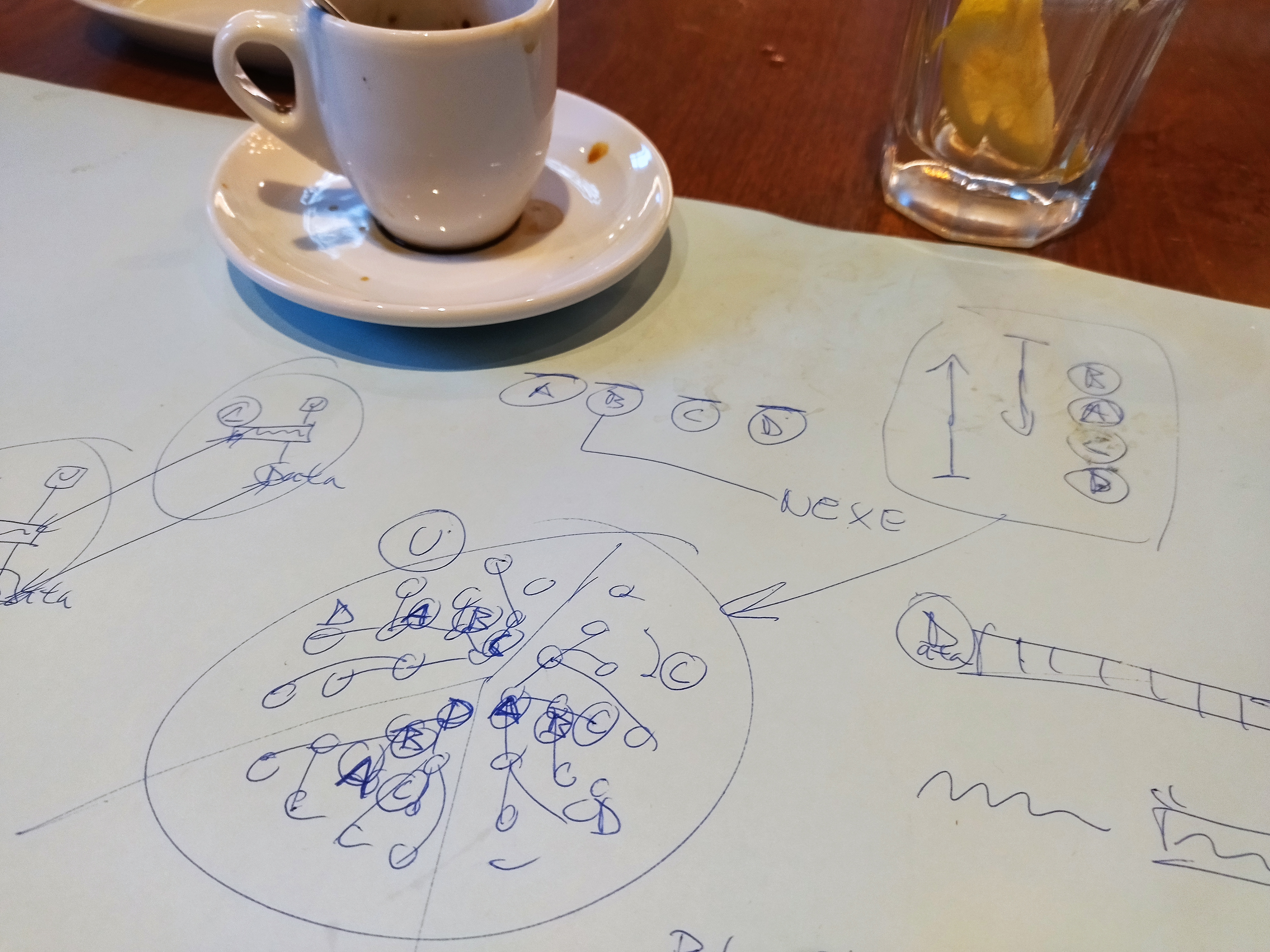
Structural Vision
We continuously talk about problems: peak everything, pollution, climate change, overpopulation, bubbles... In contrast, very few of the theoretical solutions point to resolving the structural root of it all: how we interact with each other, how we process knowledge, and how we use this data for decision making.
NUSID/SI was not a political manifesto, but a data architecture problem. The challenge was to define an integrated and self-regulated database where knowledge was structured, avoiding noise, redundancy, and empowering flows of knowledge delegation and decision-making towards the users of each field (a delegation and evaluation system that avoided the cognitive dissonance of traditional social networks).
Data and Network Architecture
Multiple layers: Unlike a commercial recommendation algorithm, the user is not located in a single "feed," but fragmented into different layers of authority based on their level of knowledge or emotional distance. Generalized reading was accessible, but writing was restricted to levels of expertise and horizontal validation.
Without a decision center: There was no centralized control; it would function through multiple autonomous sub-units interacting by delegation and validated in a distributed manner as an intelligent entity.
One Truth / Multiple Layers: The algorithmic core would ensure that a "single reference" (for example: a technical problem, a concept) appeared only once, avoiding duplications in the system, but endowed with depth in "multi-layers" of understanding depending on who reads it.
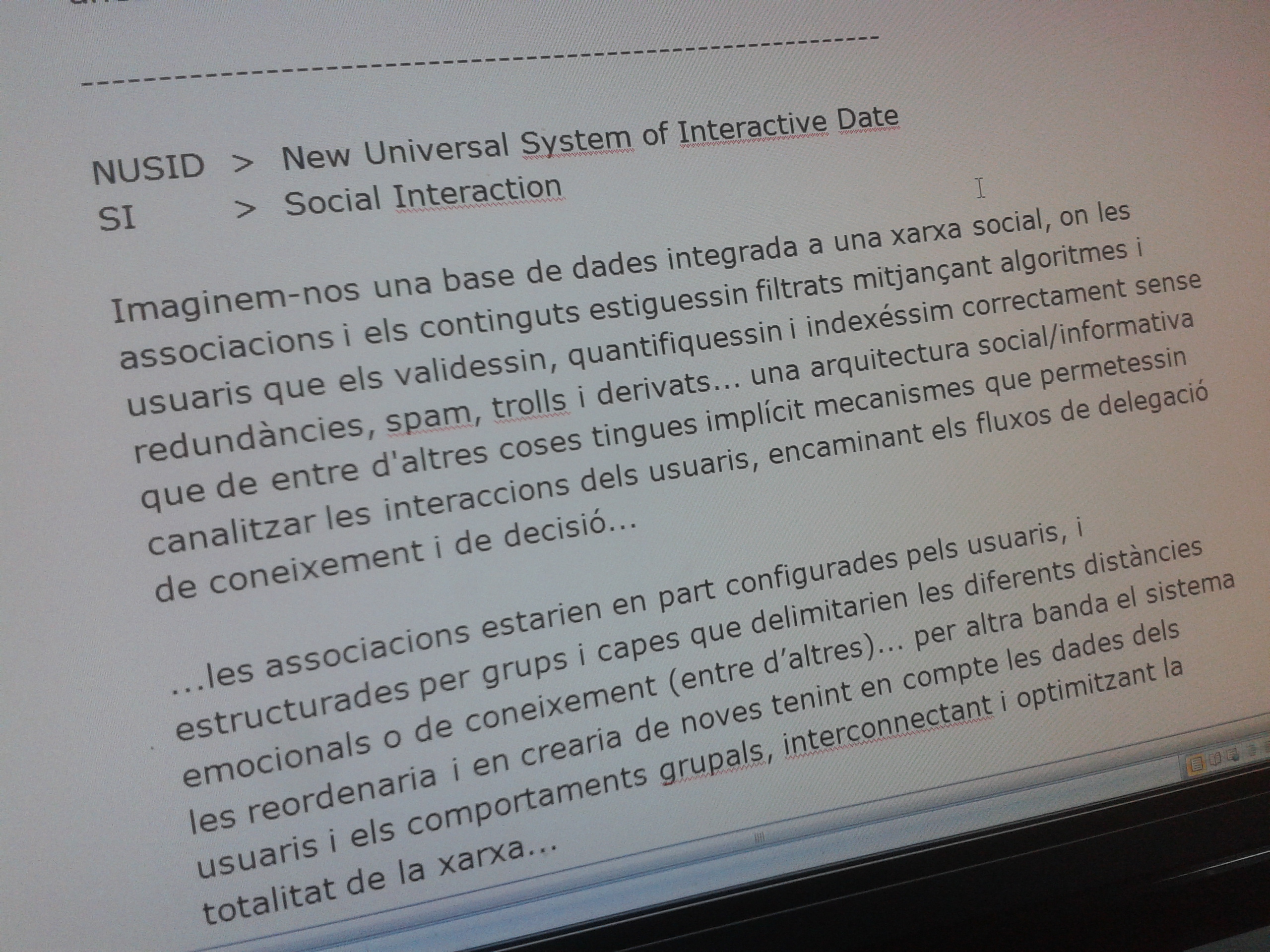
Recovered Archive: The Manifesto (2015)
Original fragments of the informative text that defined the system's imaginary for the first time as a narrative manifesto under the title "Plan A?":